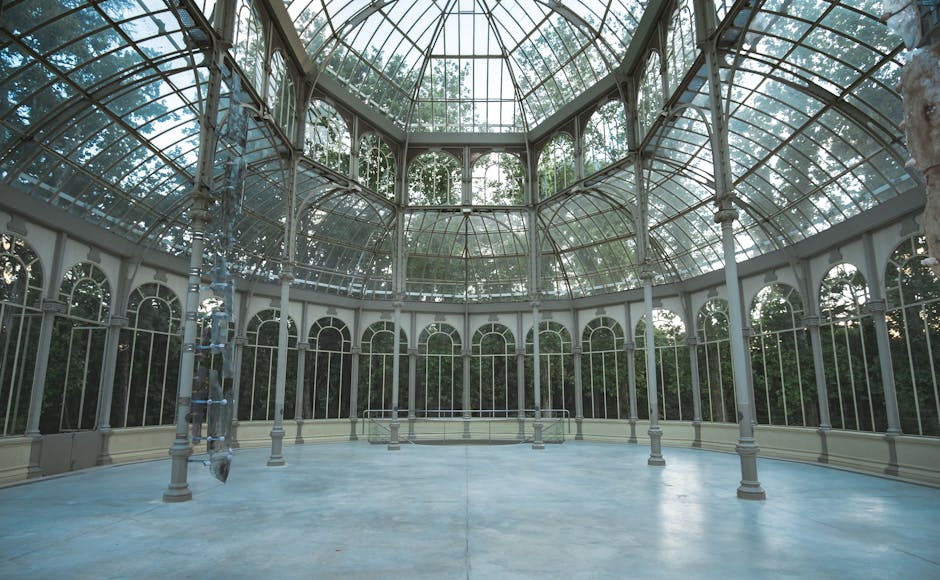
Crystal Palace Park event cleaning tips for organisers
Planning an event in Crystal Palace Park sounds lovely on paper, doesn't it? Open air, a local crowd, that big-sky London feeling. But once the music starts, the food vans arrive and a few hundred people settle in, the cleaning side of things becomes the difference between a smooth finish and a very long, slightly grim afternoon. These Crystal Palace Park event cleaning tips for organisers are designed to help you stay ahead of litter, spills, toilets, waste handling and post-event reset without overcomplicating the job.
Whether you are running a community gathering, a fundraiser, a family day, a small festival or a private celebration near the park, good cleaning planning protects your reputation, supports safety, and makes pack-down much less chaotic. Truth be told, most problems are avoidable if you build cleaning into the event plan from the start, not as an afterthought at 10pm when everyone is tired and the bins are already overflowing.
Table of Contents
- Why cleaning matters for Crystal Palace Park events
- How event cleaning works in practice
- Key benefits and practical advantages
- Who this guidance is for
- Step-by-step planning guide
- Expert tips for better results
- Common mistakes to avoid
- Tools, resources and recommendations
- Law, compliance and best practice
- Options and method comparison
- Case study example
- Practical checklist
- Conclusion
- Frequently asked questions
Why Crystal Palace Park event cleaning tips for organisers Matters
Clean-up planning is not just about appearances. In a place like Crystal Palace Park, where events can spill across paths, grassed areas and access routes, poor waste control can quickly affect public safety, visitor experience and the park's condition. A dropped cup here, a burst bin bag there, and suddenly you have slippery surfaces, wind-blown litter, unhappy guests and a stressed team trying to recover ground that should have been protected earlier.
Good cleaning planning also protects your event reputation. Guests remember whether a venue felt cared for. They notice if toilets were stocked, if bins were easy to find, if sticky patches were dealt with quickly, and if the area looked reset by the time they left. And yes, they also notice when it wasn't.
There is a wider point too. Crystal Palace Park is a shared public space, so organisers need to think beyond their own footprint. That means keeping walkways clear, preventing contamination around food zones, and making sure the site is left in a condition that respects both the park and the people who use it next. A tidy event is often a well-run event. Simple as that.
Expert takeaway: The best event cleaning strategy is preventative, not reactive. Place bins, assign responsibility, and build short cleaning intervals into the running order before the first guest arrives.
If you are also interested in the wider area context, local pieces such as this guide to the diverse delights of Crystal Palace London and discovering life in Crystal Palace help you understand why the area attracts so many events in the first place. It's a lively part of London, and lively places need tidy planning.
How Crystal Palace Park event cleaning tips for organisers Works
Event cleaning is easiest to manage when you break it into three phases: before the event, during the event, and after the event. That sounds obvious, but many organisers only think about the final sweep. That's where trouble starts.
Before the event
Before anything opens, you should map the likely mess points. Think about where food will be served, where people will sit, where bins should go, where toilets are located, and which routes staff will use for waste removal. This is the stage where you decide whether cleaning will be handled by stewards, by a dedicated team, or by an outside contractor.
This planning stage should also include materials. You need enough bin liners, gloves, cloths, mop heads, spill kits and signage. If you are serving food or drinks, make sure the cleaning setup can cope with grease, packaging, ice, napkins and the odd dropped sausage roll. It happens. More often than organisers like to admit.
During the event
During the event, cleaning becomes an active service. That means bin stations should be monitored, spills should be dealt with quickly, and busy areas should be checked on a rolling basis. A short patrol every 20 to 30 minutes can prevent small problems from becoming big ones. The team should know who handles what, and there should be a simple escalation route if something sharp, sticky, wet or unsafe appears.
You will also want a visible but discreet presence. Guests should feel that the site is looked after, not that a cleaning crew is hovering over them like anxious seagulls. Polite, regular, efficient. That's the sweet spot.
After the event
Post-event cleaning is where the final impression is made. This is not just a bin bag run. It includes litter picking, waste separation, toilet checks, sweeping or vacuuming temporary structures, stain treatment, and removing signage, tape or floor protection. If the event has involved catering or alcohol, expect more attention to sticky surfaces, broken glass risk and food waste control.
In some situations, an organiser will also need specialist support for carpets, upholstery, or indoor spaces used as an overflow area. If that sounds familiar, the site overview at services overview can help you think through the kind of cleaning support that may be relevant beyond the park itself.
Key Benefits and Practical Advantages
When event cleaning is planned properly, you notice the benefits almost immediately. The site feels calmer. Staff spend less time chasing mess. Guests move more easily. And the final clear-down takes less time, which is a gift to everyone involved.
- Better guest experience: Clean routes, clear bins and tidy toilets make the event feel well organised from the first hour to the last.
- Lower safety risk: Prompt spill response, regular litter control and cleaner pathways reduce slip and trip hazards.
- Faster pack-down: With waste sorted during the event, you are not left with one giant, miserable end-of-day pile.
- Stronger reputation: A clean event suggests professionalism and care, which matters if you want repeat bookings or community trust.
- Less waste confusion: Bin separation and clear disposal routines make it easier to handle recyclables, food waste and general rubbish sensibly.
- Better use of staff time: A practical cleaning rota prevents everyone from assuming someone else is dealing with the mess. Classic organiser problem, that one.
There's also a subtle benefit that is easy to overlook: morale. A tidy, well-managed environment usually keeps the team sharper. Nobody likes working in chaos, especially when the weather turns and everyone is trying to mop up in a gusty park with a half-empty bin liner flapping about.
Who This Is For and When It Makes Sense
This guidance is useful for anyone organising an event that will generate waste, movement or public contact in or around Crystal Palace Park. That covers a lot of ground.
- Community event organisers
- Festival and fair planners
- Charity fundraisers
- Food and drink pop-up operators
- Wedding and private celebration organisers
- School, club or association coordinators
- Brand activation teams
- Venue managers using park-adjacent spaces
It makes the most sense when your event includes catering, outdoor seating, temporary structures, children, alcohol, live performances or any activity that increases footfall. Even modest events can create more cleaning needs than expected. A 150-person family afternoon can leave behind more litter than a much larger seated talk, depending on food service and weather. Wind changes everything. So does mud. London weather is nothing if not committed to the bit.
If your event is part of a wider local experience, the blog's wider Crystal Palace articles such as leading party venues in Crystal Palace may also be useful when you are comparing event settings and thinking about guest expectations.
Step-by-Step Guidance
Here is a practical way to build a cleaning plan that actually works in real life.
1. Walk the site with a cleaning mindset
Before you finalise your layout, walk the park space and ask: where will litter gather, where will people queue, and where will waste get in the way? Look at paths, entrances, food stalls, seating clusters and any sheltered corners. Mess usually gathers where people pause.
2. Define responsibility clearly
Assign named people to cleaning tasks. Not "the team" in a vague, hand-wavy sense. Specific names. One person may oversee waste, another the toilets, another spill response. If a contractor is involved, document exactly what they cover and when.
3. Build cleaning into the running order
Cleaning should not sit outside the event schedule. Put short checks into the programme. For example, a litter patrol before gates open, a mid-session sweep, a food zone bin run, and a final site walk after close. It sounds a bit tedious on paper, but it prevents the frantic end-of-night scramble.
4. Place bins where behaviour happens
Do not hide bins at the edge of the world. Put them where people naturally finish eating, leaving seating areas, or exit toilets. If bins are too far away, guests will simply set things down "for a second." We all know what that second becomes.
5. Prepare spill and sharps response
Have a clear process for broken glass, food spills, vomit, grease or anything sharp. Staff should know when to cordon off an area and when to use gloves, warning signage or specialist tools. Speed matters, but so does caution.
6. Plan the final clear-down in stages
Do not leave everything until the very end. Start removing obvious waste before the crowd fully disperses where possible, then do a systematic sweep once the site is calmer. This staged approach is less stressful and usually more effective.
7. Inspect, record, and hand back properly
Once the space is clear, inspect it. Check for overlooked litter, stuck-on residue, damaged surfaces, or forgotten items. If the event is public-facing, a hand-back note or quick internal checklist helps protect everyone. A good close-out saves arguments later. Which, let's face it, is worth a lot.
Expert Tips for Better Results
After enough event clean-ups, certain habits prove themselves. Not glamorous, but very useful.
- Use two-bin thinking: One bin for general waste and one for recycling may be enough for smaller events, but only if the placement is obvious and signage is clear.
- Keep spare liners at every major point: A bin full of rubbish is useless if there is no liner to replace it immediately.
- Match cleaning tools to the site: Small brushes, trolleys, grabbers and absorbent cloths are often more helpful than large equipment in park settings.
- Prepare for weather changes: Rain means mud, wet leaves and heavier footprints. Warm weather means more drink spill risk and more food debris.
- Use a "last 15 minutes" sweep: Just before close, send staff through the site with the job of removing obvious surface waste. That small effort saves a lot later.
- Brief volunteers carefully: Volunteers can be brilliant, but only if they know what not to do. Nobody wants an enthusiastic helper trying to clean broken glass with a paper napkin.
One small but powerful tip: keep a mobile waste station near the busiest food area. People naturally follow convenience. If they can dispose of plates and cups without crossing half the park, they usually will. Usually.
For organisers who want to maintain a high standard across event and venue spaces, it can also help to look at broader operational support such as insurance and safety guidance and health and safety policy information. Those pages are useful reminders that cleaning, safety and liability all sit very close together in practice.
Common Mistakes to Avoid
Most event cleaning problems come from the same handful of mistakes. They are predictable, which is both annoying and helpful.
Underestimating waste volume
Organisers often plan for "some litter" when the event reality is bags of packaging, cups, napkins, napkin-on-the-ground-that-became-a-thing, and food leftovers. Always overestimate waste a little. You will rarely regret having extra capacity.
Hiding bins from view
If guests have to search for disposal points, they will leave waste on tables, benches or grass. That creates more work later and makes the event feel messy before it should.
Relying on one final clean only
The end-of-event sweep is important, but it should not be the whole plan. If the site gets messy during the event, you are already behind.
Ignoring toilets and wash areas
Toilet checks should be scheduled, not hoped for. Soap, paper and waste bins need regular attention. A toilet block can go from acceptable to unpleasant quickly, and guests notice.
Not briefing the team on escalation
If someone finds broken glass, a spill or an overflowing bin, what happens next? If they do not know, delays happen. Delays make problems bigger. It's that simple.
Forgetting exit routes and public interfaces
Some of the most visible mess is not inside the event footprint but along the approach and exit paths. Organisers sometimes miss these areas because they are focused on the main activity zone. Don't. People remember the walk out as much as the event itself.
Tools, Resources and Recommendations
You do not need a huge setup to run a clean event, but you do need the right kit. The tools below are worth considering for most park events.
| Tool or resource | Why it helps | Best used for |
|---|---|---|
| Heavy-duty bin liners | Reduce split bags and make removal easier | General waste stations and food waste points |
| Gloves and grabbers | Allow safe litter picking and faster collection | Post-event sweeps and mid-event patrols |
| Absorbent cloths and mop heads | Handle drink spills and muddy patches | Food areas, entrance points, and toilets |
| Wet floor signs or cones | Help prevent slips while areas are being cleaned | Spills, wash stations, and temporary indoor zones |
| Colour-coded bins or signage | Makes disposal more intuitive for guests | Recycling, general waste and food service areas |
| Portable cleaning cart | Keeps supplies mobile and organised | Medium and larger events |
For support with more structured cleaning planning, organisers sometimes also review general service information like pricing and quotes and about us to understand how a local cleaning provider approaches work, accountability and client communication.
If your event uses any indoor support rooms, temporary interiors or post-event guest areas, then pages such as office cleaning in Crystal Palace and carpet cleaning support may be useful as part of a broader cleaning plan. For soft furnishings or seating, upholstery cleaning in Crystal Palace can be relevant after high-use events. Different spaces, different needs. Obvious, maybe, but easy to miss when the clock is ticking.
Law, Compliance, Standards, or Best Practice
Event organisers should take compliance seriously, even for relatively small gatherings. This is not about making things scary. It is about preventing avoidable problems.
In the UK, event organisers generally need to think about health and safety duties, public liability exposure, waste handling, food hygiene where relevant, and safe access for staff and guests. Exact obligations can vary depending on the event type, size, location and whether contractors, traders or volunteers are involved. That means your cleaning plan should sit inside your wider event risk management, not float beside it.
Best practice usually includes:
- a written cleaning and waste plan
- clear responsibility for inspections and resets
- safe storage and disposal of rubbish
- spill response procedures
- safe handling of glass and sharp waste
- regular toilet and wash-area checks
- access routes that remain clear for emergency or maintenance use
If you are coordinating with a venue team or external contractor, it is wise to check what is covered contractually and what is not. Cleaning, waste removal, and end-of-day leave-no-trace duties should be clearly understood. No one wants that awkward "I thought you were dealing with it" moment at the end of a long day. Been there, seen that, not fun.
For added reassurance, you may also want to review local company policies and operational documents such as terms and conditions, payment and security and the complaints procedure if you are using a service provider. These do not replace event-specific planning, but they do support a more reliable working relationship.
Options, Methods, or Comparison Table
There is no single "best" cleaning method for every Crystal Palace Park event. The right approach depends on your crowd size, budget, waste level and how polished the experience needs to feel.
| Method | Best for | Pros | Trade-offs |
|---|---|---|---|
| Volunteer-led clean-up | Small community events | Low cost, flexible, familiar team | Can be inconsistent without training |
| In-house steward rota | Medium events with repeat teams | Good control, easier supervision | Needs careful briefing and cover |
| Dedicated cleaning crew | Busy public events, food-heavy events | More reliable, faster response, professional finish | Higher cost, needs coordination |
| Mixed model | Most organised events | Balanced cost and coverage | Requires clear role split |
In practice, the mixed model often works best. Volunteers or stewards can handle visible litter and guest-facing issues, while a dedicated cleaner or small team handles toilets, spills, waste runs and the final deep sweep. That division keeps everyone calmer.
If your event includes temporary furniture, indoor overflow space or post-event hosting in nearby premises, then a domestic-style clean or house-level reset may be a useful mental model, even if the site is not a home. It is about the level of detail, not the label. For that broader perspective, domestic cleaning in Crystal Palace and house cleaning in Crystal Palace can help frame how thorough a finish you may need.
Case Study or Real-World Example
Picture a small weekend community event near the park with food stalls, folding chairs, children running between activities and a light breeze that keeps rearranging the napkins. Nothing dramatic, just a normal, friendly event. The organiser starts with only two bins near the main entrance. By mid-afternoon, both are full, tables are dotted with cups, and staff are spending more time collecting litter than speaking to guests.
Now imagine the same event with a better plan. Bins are placed near food service, seating and exit routes. A volunteer checks the food area every 20 minutes. Another team member carries a small cleaning kit with liners, cloths and gloves. When a drink spills, it is dealt with straight away. At close, the site still needs a proper sweep, but the clean-up is manageable rather than overwhelming.
The difference is not magic. It is structure. The second version feels calmer because the cleaning work is spread across the event rather than dumped on the last 30 minutes. Guests leave with a better impression, and the organiser is not staring at a field of packaging wondering how on earth it got this bad. That little moment of relief is worth planning for.
For organisers exploring Crystal Palace as a local event destination, related reading such as discovering life in Crystal Palace and wise realty investments in Crystal Palace can also give a feel for the area's wider appeal and activity.
Practical Checklist
Use this checklist before, during and after your event. It keeps the process grounded.
- Walk the site and identify litter hotspots
- Decide who is responsible for each cleaning task
- Place bins at entrances, exits, food areas and seating zones
- Stock gloves, liners, cloths, grabbers and spill materials
- Brief the team on spill, glass and sharps response
- Set toilet check intervals if toilets are in use
- Schedule mid-event litter patrols
- Keep an eye on weather changes and adjust cleaning accordingly
- Monitor waste levels and replace liners promptly
- Do a final walk-through before handover
- Confirm all waste is removed or stored safely for collection
- Check for hidden litter around fences, hedges, benches and paths
- Record any issues, damage or missing items
Quick sanity check: if your plan depends on "we'll just see how it goes," it is not really a plan yet.
Conclusion
Crystal Palace Park event cleaning is not glamorous, but it is one of the most important parts of running a professional, respectful and enjoyable event. If you get the cleaning side right, everything else feels easier: guest flow, safety, pack-down, final handover and even team morale. That is the quiet payoff. Not flashy, just valuable.
The organisers who handle this well are usually the ones who think ahead, assign responsibility clearly and treat cleaning as part of the event design rather than a messy afterthought. That mindset saves time, reduces risk and keeps the experience pleasant for everyone who walks through the site.
And if you are standing at the edge of a busy event thinking, "Right, where do we even start?" - start small, start early, and build the plan before the first bin fills up. That usually does the trick.
Get a free quote today and see how much you can save.
Clean events leave better memories. They also make the next one easier, which is no small thing.
Frequently Asked Questions
What should organisers clean first after an event in Crystal Palace Park?
Start with the biggest safety risks: broken glass, spills, sharp debris and heavy waste bags. After that, move to visible litter, food residue and any toilet or wash-area checks.
How often should cleaning checks happen during a park event?
For most events, short cleaning rounds every 20 to 30 minutes work well, especially around food areas, seating and bins. Busier events may need more frequent checks.
Do I need a dedicated cleaning team for a small event?
Not always. Small events may be manageable with trained stewards or volunteers, as long as the tasks are clear and the waste volume is modest. If food service or alcohol is involved, a dedicated cleaner is often worth it.
What cleaning supplies are essential for an outdoor event?
You will usually need gloves, bin liners, grabbers, cloths, spill materials, wet floor signs, and a portable way to carry items. If toilets are part of the event, add extra paper and sanitising materials.
How can organisers stop litter from building up?
Place bins where people naturally finish using them, not where it is convenient for staff only. Regular patrols, good signage and quick liner changes also help a lot.
What is the best way to handle broken glass at an event?
Isolate the area, warn people away, use suitable gloves and tools, and clear it carefully. Do not improvise with bare hands or paper towels. It sounds obvious, but people do weird things under pressure.
Should event cleaning be included in the risk assessment?
Yes, it should. Cleaning affects slip hazards, waste handling, guest movement and general site safety, so it belongs in the wider event planning and risk management process.
How do I plan for bad weather clean-up?
Have extra liners, absorbent cloths and a mud management approach ready. Rain tends to increase tracking, puddles and clutter, so check entrances and paths more often if the weather turns.
What should I look for in a cleaning provider for an event?
Look for clear communication, flexibility, relevant experience, proper safety awareness and a plan that matches your event size. It also helps if they can explain exactly what is included and what is not.
Can I reuse the same cleaning approach for indoor and outdoor event spaces?
Not entirely. Outdoor spaces need more litter control, weather awareness and route planning, while indoor spaces may need more detailed surface care, flooring attention and spill treatment. The principles are similar, but the execution changes.
How do I know if my clean-up plan is enough?
If your plan clearly covers bins, staff roles, spill response, waste removal and the final sweep, you are in a strong position. If it only says "clean everything afterwards," it probably needs work.
Where can I learn more about local Crystal Palace services and context?
Useful starting points include the Crystal Palace London area guide and the broader blog archive, which cover local life and related topics that can help organisers plan with more confidence.